A charitable Sci-Art project
Made visible.
Cancer, Care, Community makes cancer research publicly visible through a Sci-Art exhibition that tours the UK. People living with and beyond cancer work with that research alongside artists, in community art spaces.
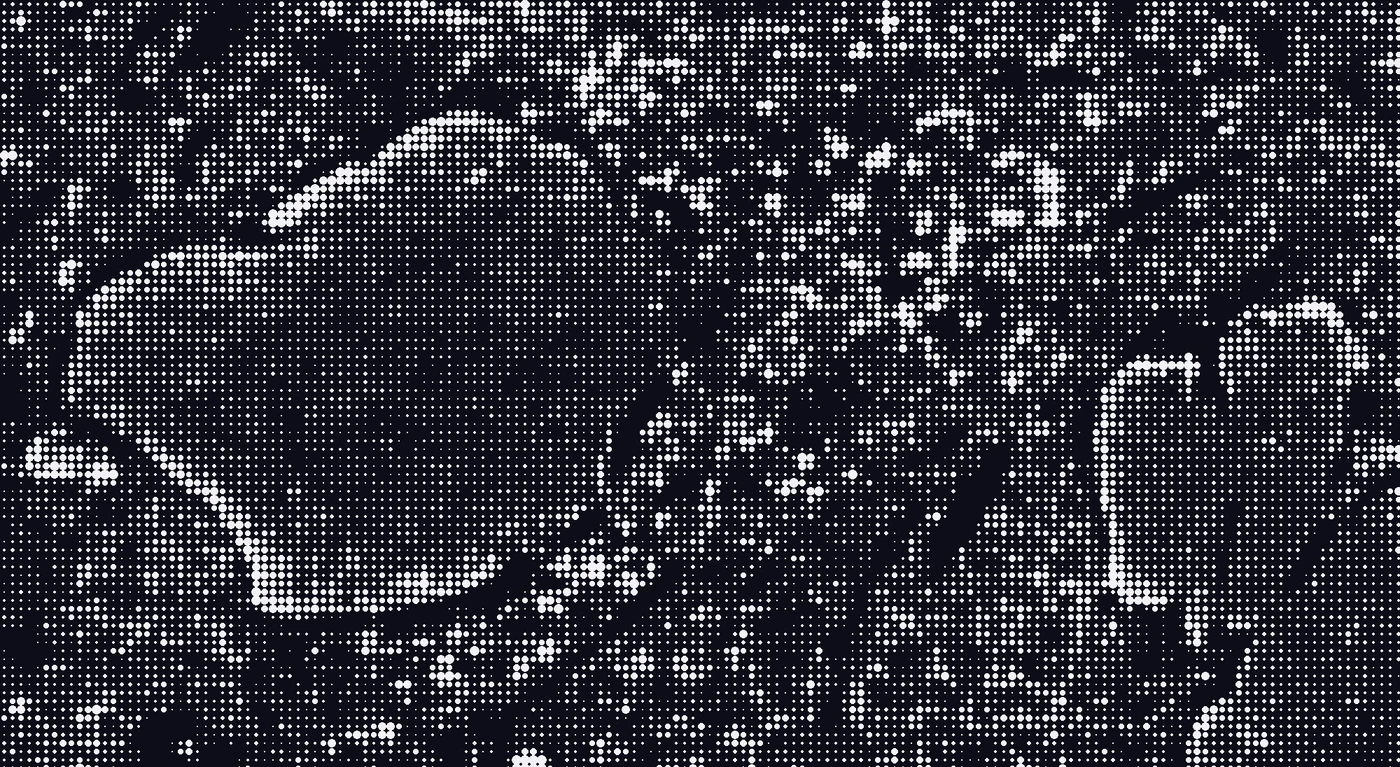
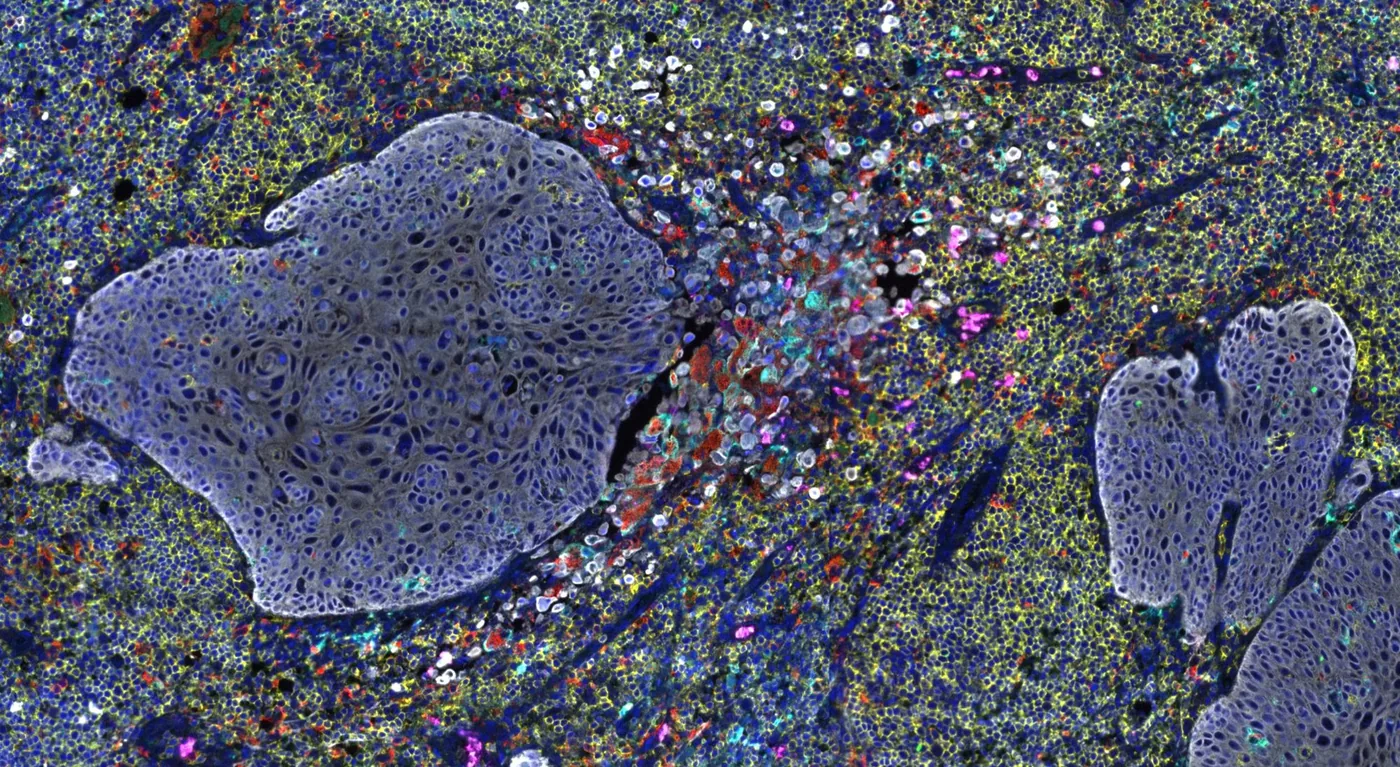
The research image is a microscope image of cancer tissue. It’s abstract and shows no identifiable person.
Cancer changes how time feels. For some people treatment ends and life opens out again. Some live with cancer for years. Others die from it, and the people who love them carry that too.
CCC doesn’t look away from any of it. It makes room, in art spaces close to home, to look closely, to make something, and to notice what is still here.
The project
Three ways of seeing
The exhibition carries two things at once: the science behind the images, interpreted by artists and participants, and the human resilience of people who have lived with cancer, told in their own words.
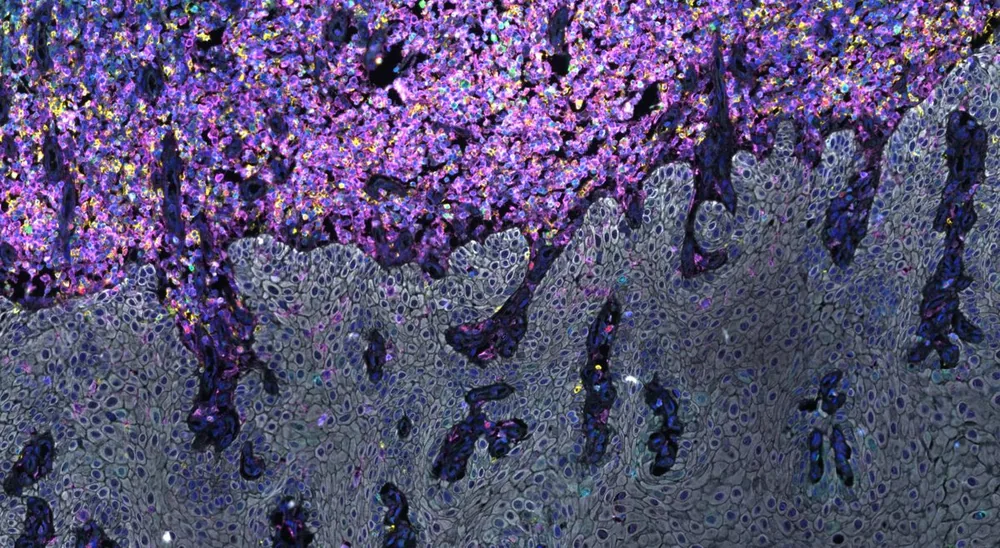
About 50 research images of urological cancers, curated from the anonymised archives of the Genito-Urinary Cancer Research Group and CRUK Manchester Institute.
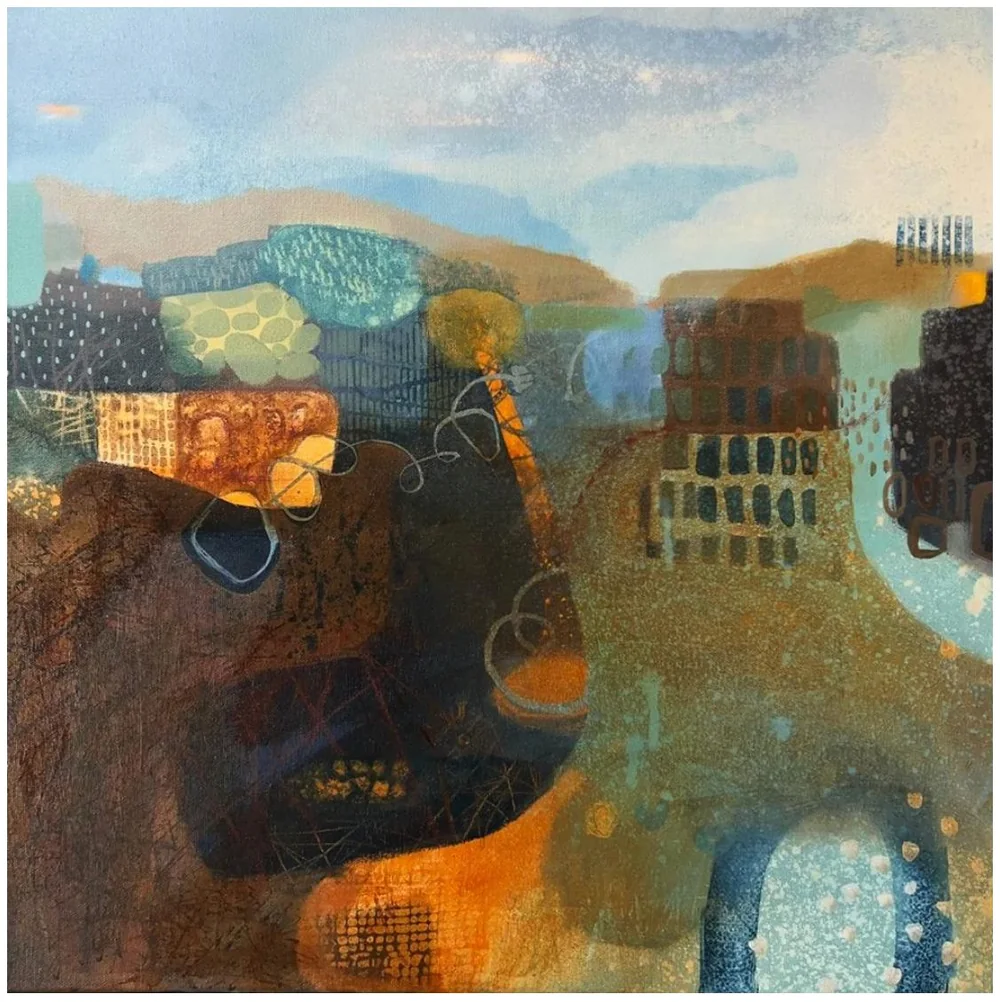
Alison Stafford leads the artistic interpretation of the images, in partnership with Alison Pottinger. Participants see these interpretations before any source image.
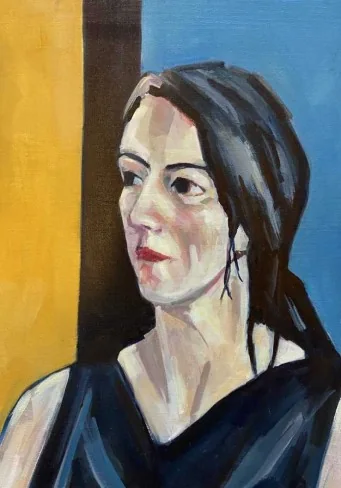
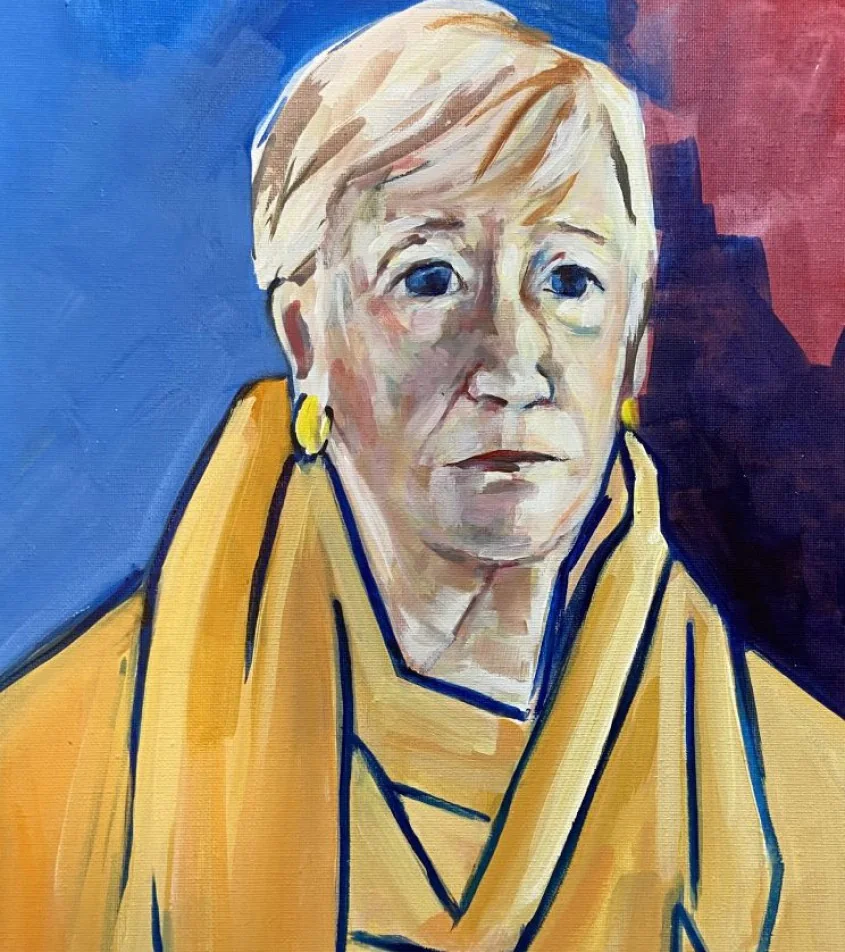
Matt Worden leads the lived-experience strand. Two patients and two carers contribute painted and photographic portraits and narrative storyboards, on their own terms, with full editorial control and aftercare.
The imagery shows the bench. The lived-experience work shows the bedside. The exhibition puts them in the same room, and the studios carry them out into the community.
Where it began
A urology trainee, a microscope and an art class.
Fowz Azhar, a urology trainee, made these images during his PhD at The University of Manchester, in the Genito-Urinary Cancer Research Group, with CRUK Manchester Institute. He was mapping the tumour immune microenvironment of penile and prostate cancer. At the same time, he was attending Matt Worden’s art classes.
CCC is a charitable project born at The Art Room, The Christie NHS Foundation Trust.
The interpretation
Interpretation comes first
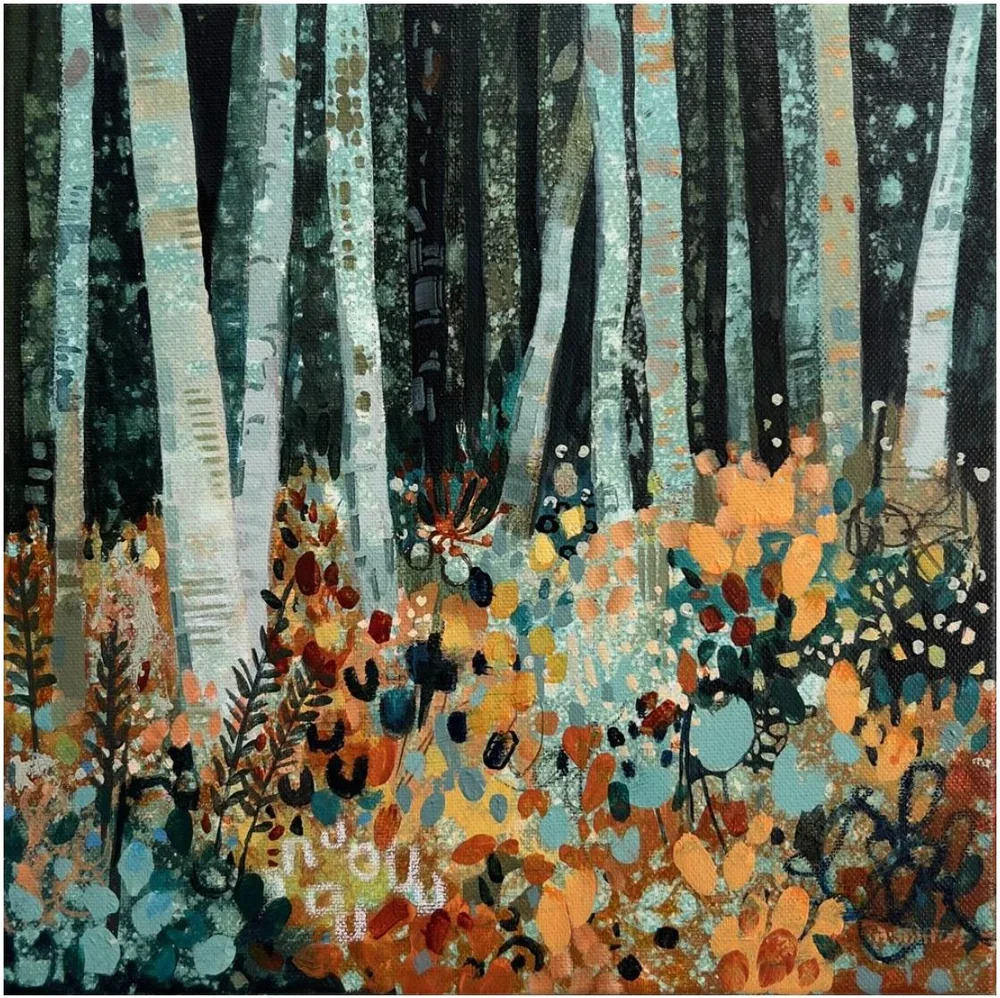
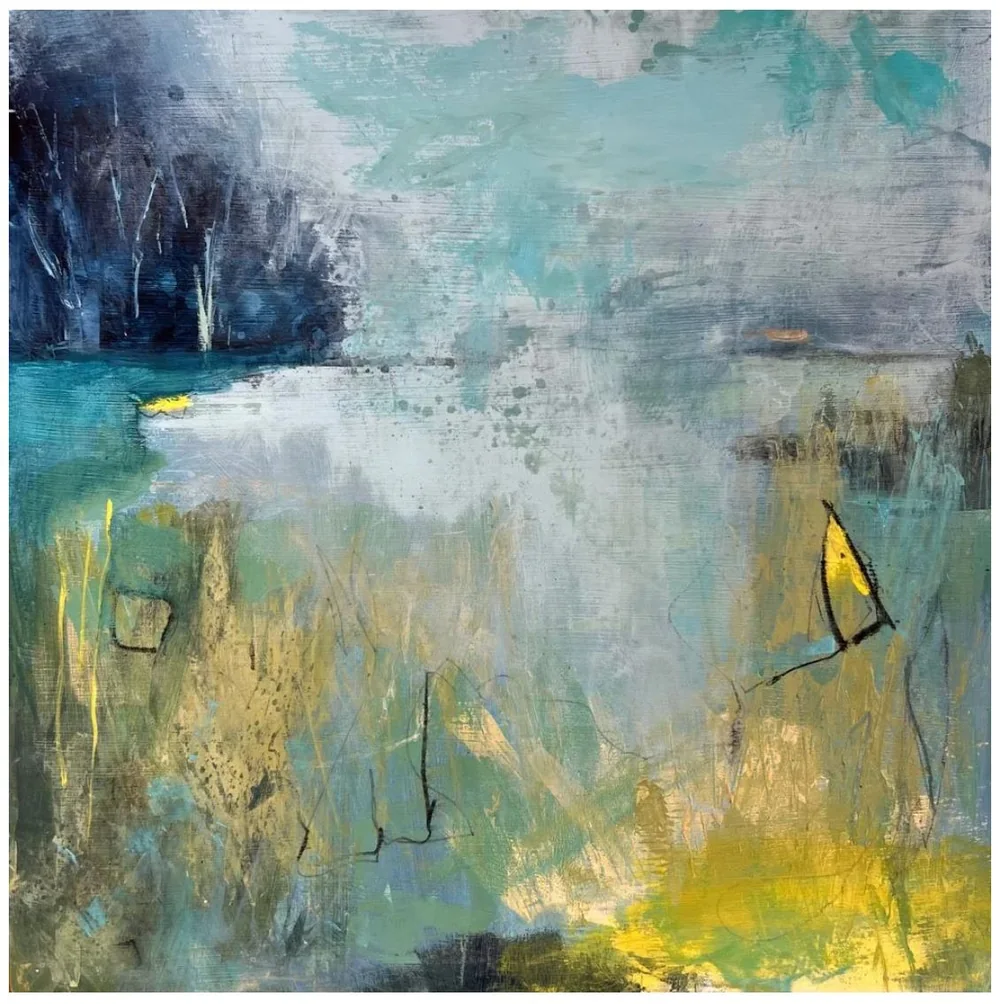
Alison Stafford is CCC’s Lead Artist for imagery interpretation. Her paintings are abstract and rooted in nature: woodland, water, light moving through trees. It’s a way of seeing that suits images from a microscope, which are abstract too.
In CCC Studios, participants meet these interpretations before any research image, and then choose whether, and when, to see the source.
Her interpretations of the research images, made in partnership with Alison Pottinger, are being made between February and June 2027 and will be shown first at a small pilot exhibition in July 2027. The paintings here are from her own practice.
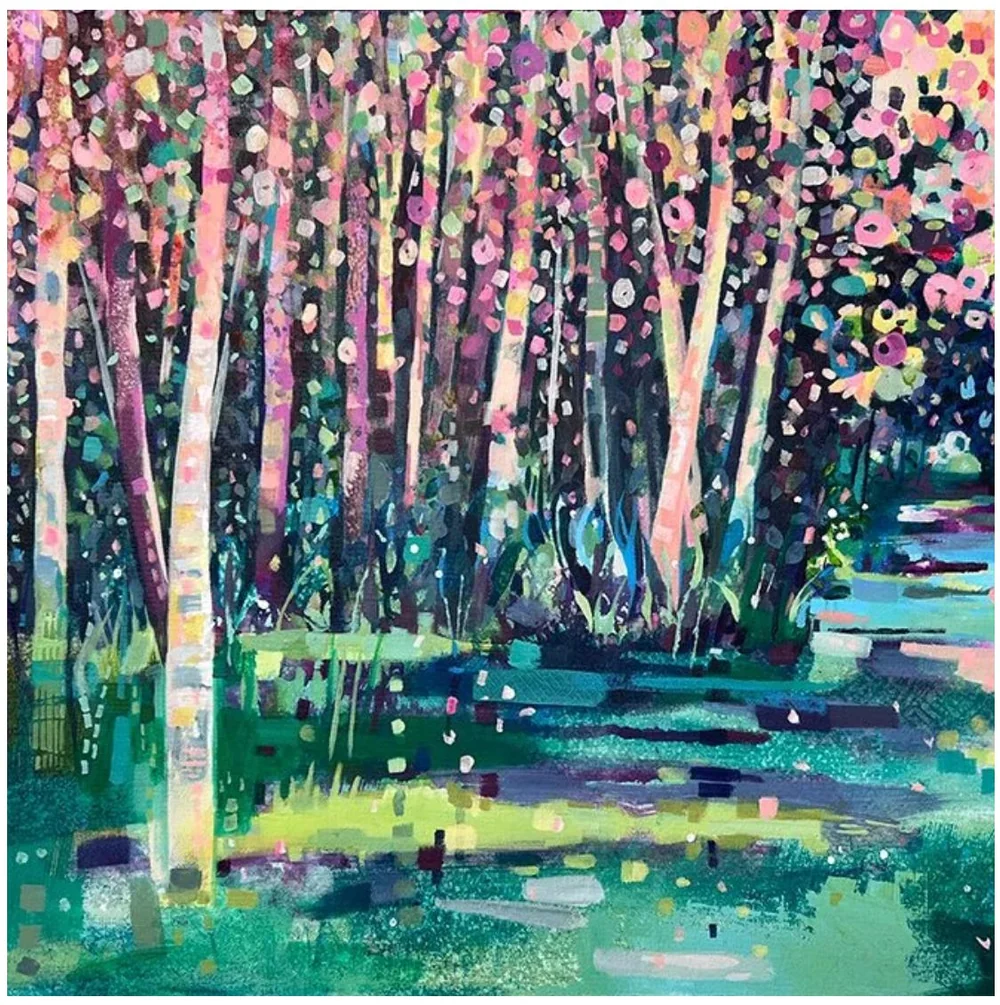
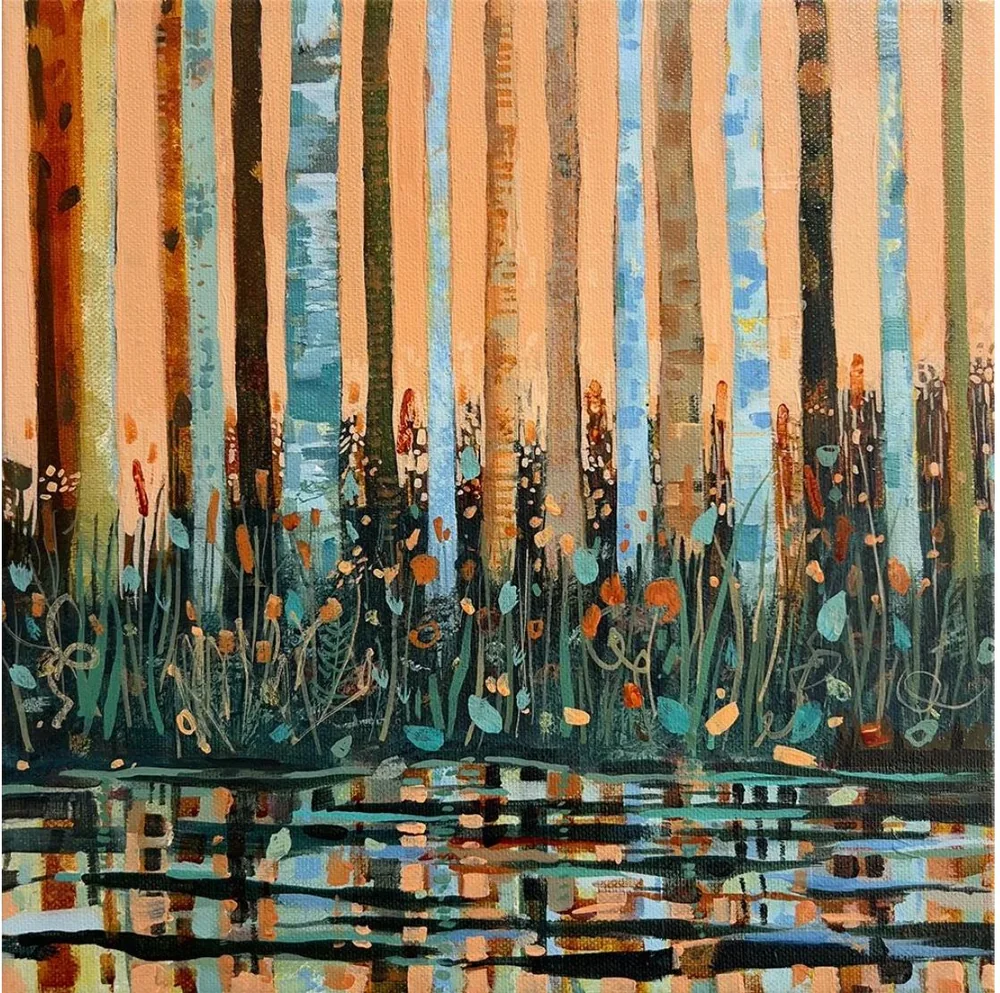
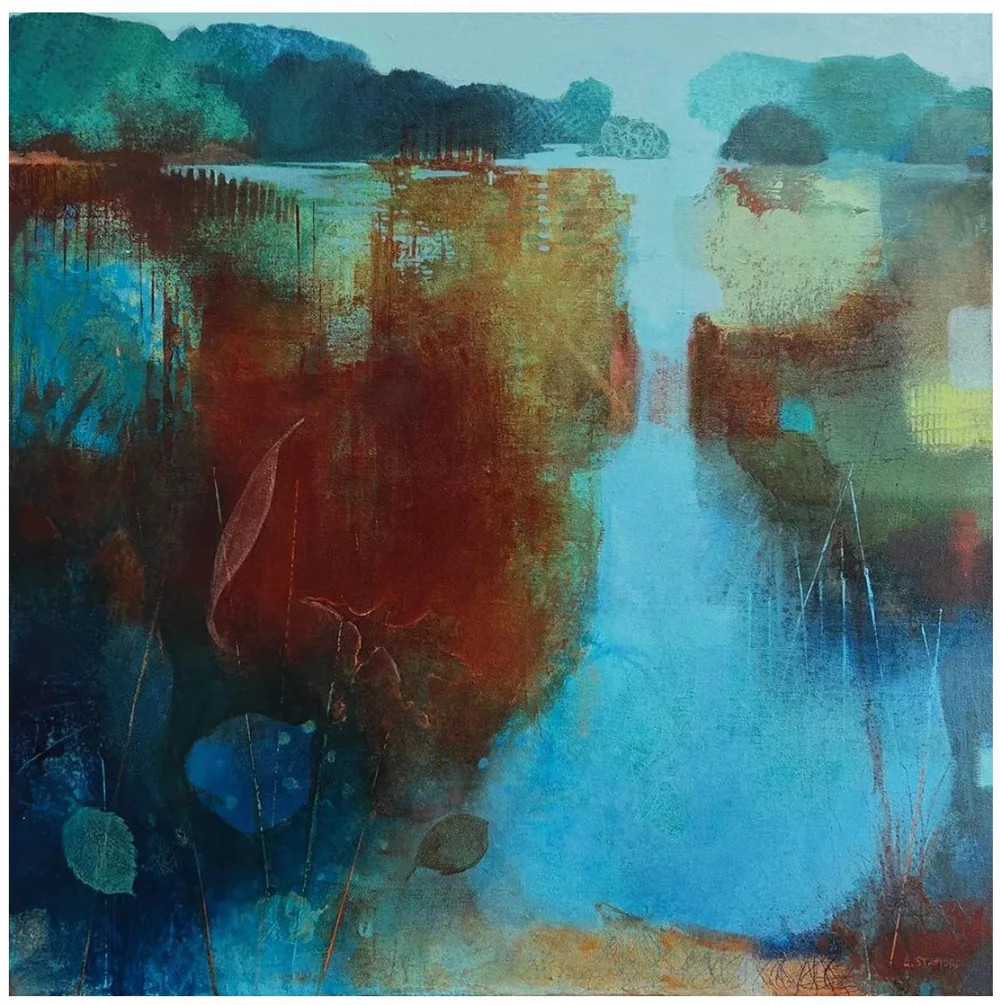
From blossom to mist.
Scroll to see more →
The science
What you’re looking at
These are multiplex immunofluorescence images. The technique maps where immune cells and signalling proteins sit inside tumour tissue, all in one picture.
Each colour marks a different protein. The markers here, PD-L1, CTLA-4 and LAG-3, are immune checkpoint proteins: they act as brakes on the immune system. In many of these images, the grey structures are tumour tissue. The bright points around them are immune cells, gathering at the edge of a tumour.
- Grey
- Tumour tissue, in many of these images
- Bright points
- Immune cells
- Each colour
- A different protein
- Markers
- PD-L1 · CTLA-4 · LAG-3
From the research archive
Full colour is the authentic image, with the edges trimmed to remove scale bars. Signal renders the tissue in cool grey and keeps colour only where the signal is strong.
Microscopy: Fowz Azhar, Genito-Urinary Cancer Research Group, The University of Manchester and CRUK Manchester Institute. Anonymised research images. These are microscope images of cancer tissue. They’re abstract and show no identifiable person.
Lived experience
In their own words
Two patients and two carers tell their stories, on their own terms.
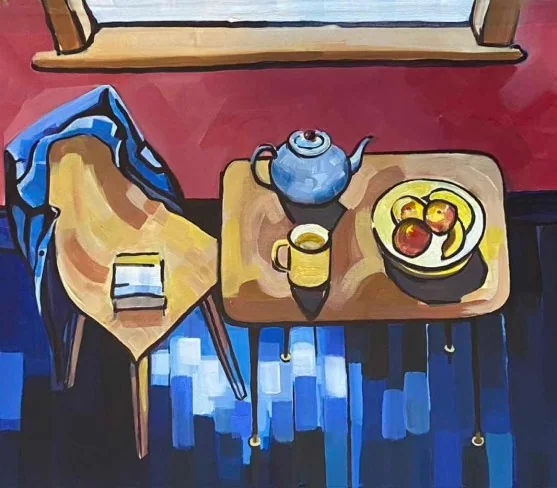
The lived-experience work is led by Matt Worden, lead artist and founder of Art Social. Participants share their stories through painted and photographic portraits and narrative storyboards, in their own words. Each keeps full editorial control over what is shown, and aftercare is part of the process.
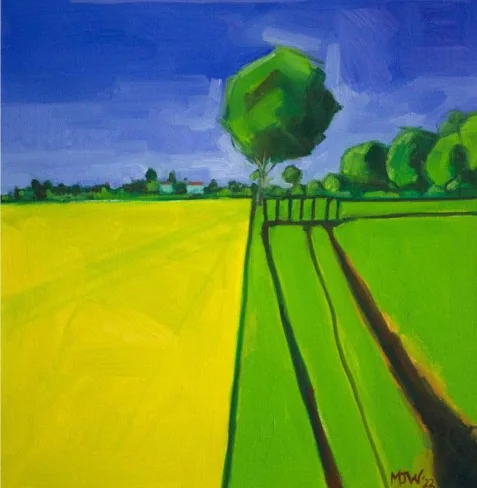
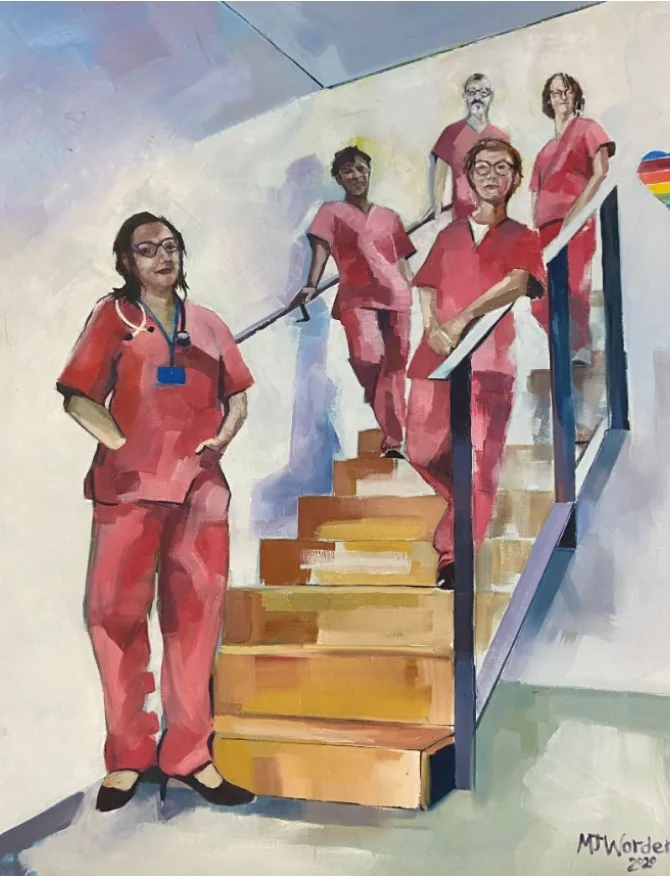
The staged approach
How people meet the images
Participants meet the research images in stages, at their own pace.
- 1
Artists interpret first
Artists make the first interpretations of the research images.
- 2
Participants see the interpretations
Participants see those interpretations first, not the source images.
- 3
They choose
Participants then choose whether, and when, to see the original images.
“Nobody is shown a source image without asking for it.”
Anonymised archives
The images come from fully anonymised research archives. They aren’t images of participants’ own tissue, but some may show the same type of cancer a participant was treated for. That’s only disclosed if the participant asks.
The Art Room
The pilot at The Art Room showed that the room is a sanctuary from cancer, and that bringing cancer imagery into it conflicted with that purpose. So no CCC activity takes place in The Art Room. It remains where CCC began, and one of the places it raises funds for.
CCC Studios
Art spaces, close to home
CCC Studios brings patients under follow-up after treatment, and their carers, into local art spaces to work alongside professional artists.
The first two are Alison Stafford’s Waterside Studio and Art Social. Every participant has a named contact, Sr Hannah Leather, cancer nurse specialist, with a clear route back to their clinical team.
- 01
Build relationships
Link NHS trusts with local artists and art spaces.
- 02
Use spaces that already exist
Give patients and carers access to community space and support in art spaces near where they live.
- 03
Evidence the effect
Measure the effect of community art spaces on wellbeing, with validated questionnaires before the programme, at the midpoint and at the end, and interviews alongside.
- 04
Leave a blueprint
Produce a model that other areas can copy nationally.
The CCC Studios study
A mixed-methods study, classified as research, going through IRAS for HRA Approval and NHS Research Ethics Committee review, with The Christie R&D as sponsor. Patients and carers complete validated questionnaires at baseline, midpoint and end; patients, carers and artists are interviewed; artists keep reflective logs.
IRAS submission by February 2027 · HRA Approval and REC opinion by May 2027 · first sessions in July 2027
The CCC Studio Network
A national registry of art spaces. Each meets a minimum joining standard and is linked to its local cancer centre, and registered spaces can receive CCC grants.
Two founding spaces registered by July 2027 · opens to public applications at the Phase 2 launch
Paper 1: a literature review of the evidence on art and the mental wellbeing of people with cancer, submitted for publication after peer review.
The plan
Where we are
CCC is in Phase 1, Establish and Create, from November 2026 to July 2027. It ends with a small pilot exhibition of the images, interpretations and portraits.
No exhibition dates are fixed yet. When it launches, about 50 images will be shown as large-scale prints and digital projections, alongside the interpretations and portraits, then tour.
- Phase 0
Feasibility
Plan · The Christie Art Room · Review
- Phase 1 · now
Establish and Create
November 2026 to July 2027. Set up CCC · Open CCC Studios · Make the exhibition work · Pilot exhibition, July 2027
- Phase 2
Launch and Evaluate
Fabricate and launch the exhibition · Complete study cycle 1 · Publish findings · Disburse funds · Tour, with The Whitworth and Manchester Art Gallery as first target venues
- Phase 3
National rollout
Write the blueprint · Grow the Network · Tour and partners · Roll out nationally
Support
Where the money goes
Funds raised by CCC support three beneficiaries.
Paying funds to the beneficiaries starts in Phase 2, once there are funds to pass on and the agreements are signed.
- Beneficiary
The Art Room
The reflective art space at The Christie, funded by The Christie Charity, where CCC was born.
How funds reach it · Paid through The Christie Charity
- Beneficiary
Cancer Sciences bursary
MSc and PhD study at the University of Manchester, delivered through The Christie Education Centre.
How funds reach it · Via The Christie Charity
- Beneficiary
Registered art spaces
Local art spaces registered in the CCC Studio Network.
How funds reach it · Granted directly by CCC
Founding investment
Back the founding fund
A £40,000 founding investment builds the exhibition and the online fundraising engine.
one fifth of the total
£8,000 of £40,000 pledged in principle; £32,000 still to raise.
- £10,000
Founding Patron
Three sought - £5,000
Exhibition Partner
Two sought - £2,500
Community Supporter
- £500–£1,000
Friend of CCC
Donation page coming soon
Cancer, Care, Community is being established as a Charitable Incorporated Organisation. Gift Aid eligible once CCC is registered with the Charity Commission and HMRC.
Talk about founding supportOther ways money comes in
The main income is the online donation campaign. The research study and the Studio Network are costed separately, at an indicative £31,000, through grants. Also: donations at exhibition venues, limited-edition numbered prints, and an end-of-tour auction dinner.
People
The team
Mr Fowz Azhar
Project Lead and Chief Investigator
Specialist Trainee in Urological Surgery; Honorary Research Fellow at The Christie; PhD, University of Manchester
Prof. Noel Clarke
Executive Chair
Ms Alison Stafford
Lead Artist, Imagery Interpretation
Waterside Studio
Mr Matt Worden
Lead Artist, Lived Experience & Community
Founder, Art Social
Dr Sam Elbeik
Patient Lead and PPI Lead
Study co-applicant
Mr Arie Parnham
Clinical Lead
Consultant Urological Surgeon
Mrs Claire Hart
Scientific Lead
CRUK Manchester Institute
Sr Hannah Leather
Participant Support Lead
Cancer nurse specialist
Co-investigator
Public health social scientist
Being recruited
Advisors
Prof. Jon Bell, Prof. VK Sangar, Mr Ashwin Sachdeva
Dr Caroline Parker
Advising on early study design
UCL
Alison Pottinger
Interpretive works, in partnership with Alison Stafford
Partners
The Christie NHS Foundation Trust · The Christie Charity · The Christie Education Centre · CRUK Manchester Institute · The University of Manchester
First CCC Studio Network sites: Alison Stafford’s Waterside Studio · Art Social
Contact
Get in touch.
To talk about the project, contact Fowz Azhar, Project Lead.
Fowz Azhar · Project Lead
fowz.azhar@gmail.comThis address is for getting in touch. We don’t take donations by email; the donation page is coming soon.